
Loading...
Serving Pomona, CA and surrounding areas. (909) 729-4374
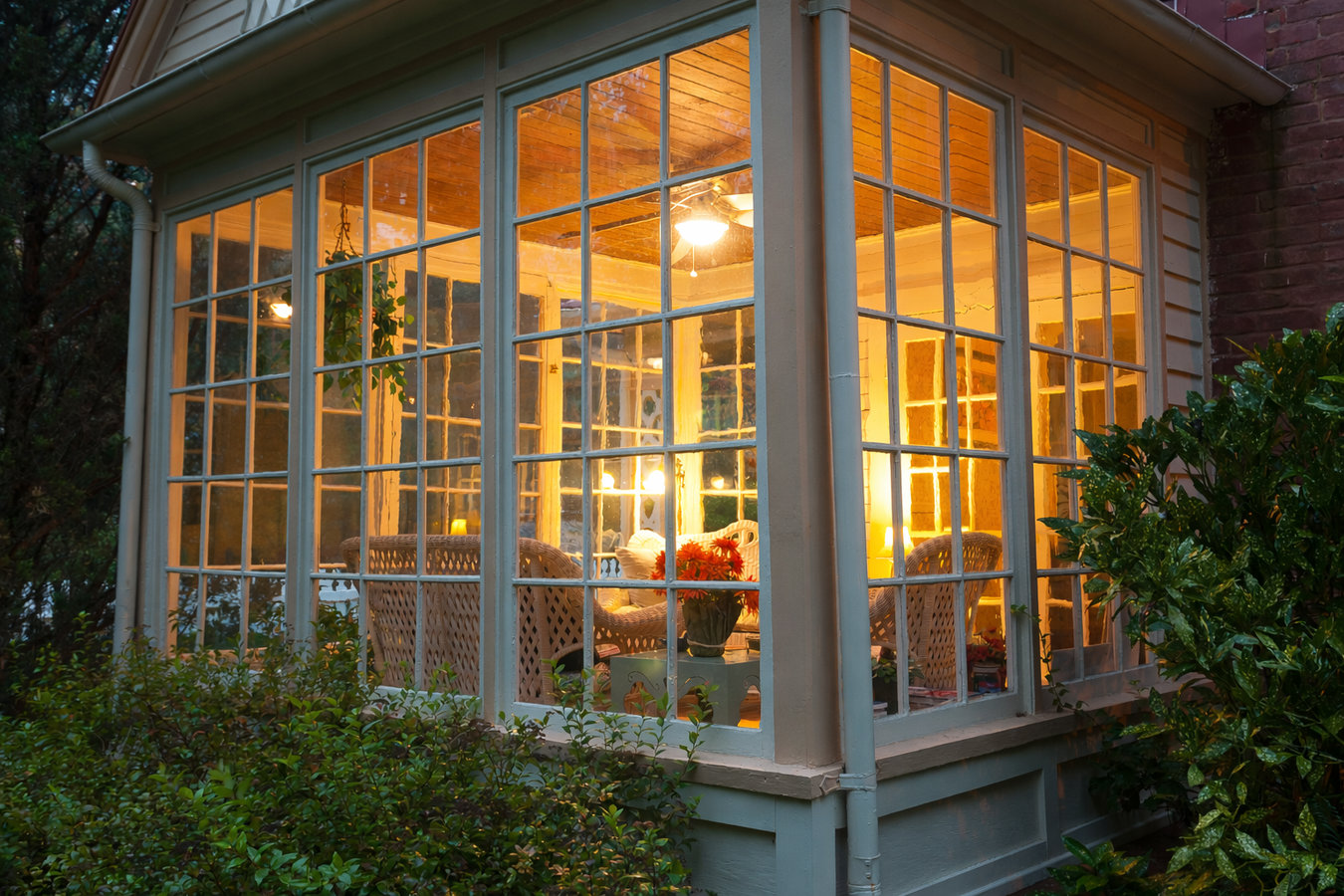
Premier Pomona Sunrooms & Patios is a licensed sunroom contractor serving San Dimas, CA with custom sunrooms, patio enclosures, and patio covers. We have been completing fully permitted projects on San Gabriel Valley homes since 2015 and reply to new inquiries within one business day.
Premier Pomona Sunrooms & Patios is a licensed sunroom contractor serving San Dimas, CA with custom sunrooms, patio enclosures, and patio covers. We have been completing fully permitted projects on San Gabriel Valley homes since 2015 and reply to new inquiries within one business day.
San Dimas has an unusually varied mix of lot types - from flat 1960s ranch parcels in the city center to sloped canyon-edge properties in the north. A custom sunroom designed for your specific property avoids the fit problems that come from forcing a standard kit onto a non-standard footprint, and every design is engineered for the clay soils under San Dimas homes.
San Dimas gets most of its rainfall between November and March, and foothill homes near San Dimas Canyon receive wind and debris wash-down that flat-city properties do not. A solid patio enclosure with proper drainage details turns a weather-exposed concrete pad into a usable room you can enjoy year-round, not just in the dry months.
Most San Dimas homes were built between the 1950s and 1980s with wide rear yards and existing concrete pads, which gives us a practical starting point for a permitted room addition. San Dimas median home values sit well above the national average, so a permitted addition that adds conditioned square footage to the property record has real financial upside at sale or refinance.
San Dimas summers regularly push into the 90s and hit 100 degrees, and the city gets around 280 sunny days per year. A solid insulated patio cover blocks direct UV from your concrete slab, lowers the outdoor surface temperature meaningfully, and slows the heat-driven expansion and contraction that cracks older concrete - a common issue on San Dimas properties built on clay soil.
Foothill neighborhoods in north San Dimas are noticeably cooler in winter than properties farther south, with overnight temperatures occasionally dipping below freezing. A four-season sunroom with full insulation, low-e glass, and a dedicated heat and cooling source stays comfortable through January cold snaps and July heat without overloading the main house HVAC.
The canyon access and natural areas near San Dimas mean more insects and debris than many valley cities. A screened room keeps that out while still letting in the breeze that canyon-adjacent properties often get on summer evenings. It is one of the most affordable ways to make a rear yard patio genuinely livable through the warm months.
San Dimas sits at the foot of the San Gabriel Mountains, and that foothill location creates conditions that separate it from other San Gabriel Valley cities. Properties in the northern part of the city, near San Dimas Canyon, are in or near California Fire Hazard Severity Zones, which affects material choices for any exterior structure. The canyon also channels wind and debris during storms, so drainage design around any new room addition needs to account for that. Homes farther south toward the 57 freeway sit on flatter terrain with fewer drainage concerns, but the same expansive clay soils run throughout the city, shifting with each wet and dry cycle.
The bulk of San Dimas housing was built between 1950 and 1985, which means most homes are now 40 to 75 years old. At that age, rooflines, electrical panels, and slab foundations often need evaluation before a sunroom addition can be properly tied in. Ranch-style homes with stucco exteriors and slab-on-grade foundations are the most common building type here, and most sunroom additions on these homes are straightforward once the slab condition is confirmed. Hillside homes near the canyon require more thorough site assessment and sometimes engineered retaining details before construction can begin.
Our crew works throughout San Dimas regularly, and we understand the local conditions that affect sunroom contractor work here. Permit applications for San Dimas projects go through the San Dimas Building and Safety Department, which requires engineered foundation details on most sunroom additions because of the clay soil conditions throughout the city - something not every contractor is set up to provide.
The 57 freeway runs through the western edge of San Dimas, and the 210 is close to the north, making access from our Pomona base straightforward. Raging Waters sits in the southern part of the city, and most of the older single-family neighborhoods are between Via Verde and the 57 corridor. Homes on the north side, up toward San Dimas Canyon Road and the regional park, tend to have larger lots, steeper grades, and more complex drainage than the flatter southern neighborhoods.
We also serve neighboring Covina, CA to the west, where postwar ranch homes and mature street trees create their own set of conditions for sunroom and patio work. Both cities share the San Gabriel Valley clay soil challenge, but the property types and lot sizes differ enough that the approach on each job is site-specific.
Reach out by phone or through the contact form and we reply within one business day. We ask for your address, a photo of the rear yard if possible, and a brief description of what you are hoping to build.
We visit the property, check the slab condition and drainage, and review the roofline tie-in options. For foothill properties near San Dimas Canyon, we note slope, drainage patterns, and any fire zone considerations before giving you a written cost range with no obligation.
We handle plan preparation and submit to the San Dimas Building and Safety Department. While the permit is in review, materials are ordered so there is no gap between permit approval and the start of construction.
Most San Dimas sunroom projects build out in one to three weeks on site. The city inspector signs off on the final walkthrough, and you receive a copy of the approved permit for your property records.
We serve San Dimas homeowners from the flatlands near the 57 freeway to the foothill neighborhoods up near San Dimas Canyon. Call us or fill out the form below and we will reply within one business day.
San Dimas is a city of about 34,000 people in the eastern San Gabriel Valley, sitting where the valley floor meets the lower slopes of the San Gabriel Mountains. The city is known throughout the region for Raging Waters, one of the largest water parks in California, which sits along Via Verde on the south side of town. San Dimas has a long agricultural history - walnut groves once covered much of the area, and the city still celebrates its roots with the annual San Dimas Walnut Festival, one of the oldest community events in the valley. You can learn more about the city at the San Dimas Wikipedia entry.
Most of the residential building stock consists of single-family ranch homes built between the 1950s and 1980s, concentrated in the central and southern parts of the city. Roughly two-thirds of San Dimas homes are owner-occupied, which is higher than many neighboring cities, and median home values run well above the national average. Northern neighborhoods near San Dimas Canyon Road have larger lots, more mature landscaping, and more topographic variation than the flatland streets closer to the 57 freeway. To the west lies La Verne, CA, where our crew also serves a similar mix of ranch-style and foothill properties across the San Gabriel Valley.
Turn an underused deck into a comfortable, enclosed living space.
Learn MoreA stylish enclosed space that blends indoor comfort with outdoor views.
Learn MoreSan Dimas homeowners have trusted us with permitted sunroom additions, custom enclosures, and patio covers. Call today or submit a request and we will reach out within one business day.