
Loading...
Serving Pomona, CA and surrounding areas. (909) 729-4374
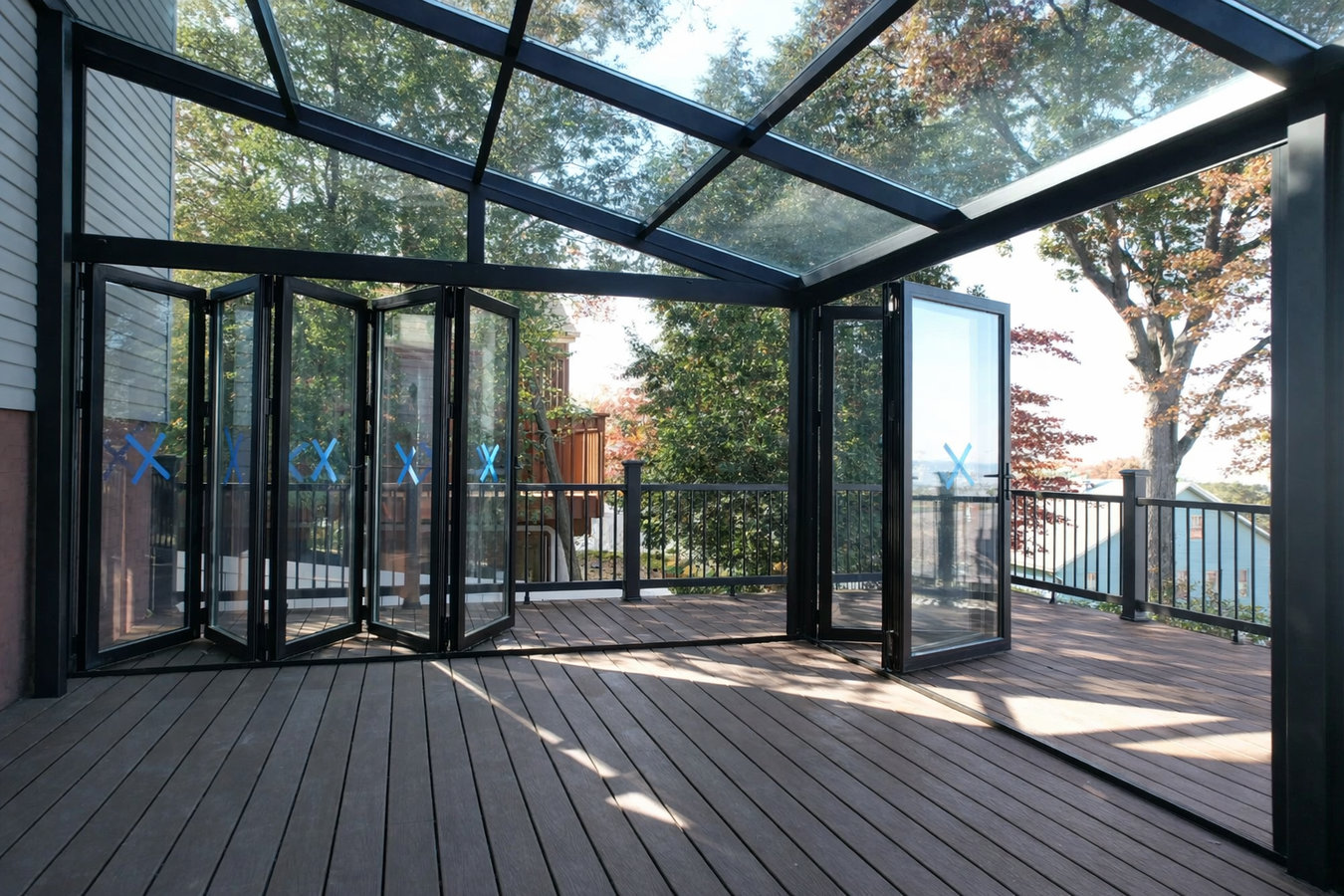
A solarium turns your underused backyard into a glass-enclosed room you can enjoy year-round - designed from the start for Pomona summers, not some generic Southern California average.
Solarium installation in Pomona, CA creates a fully glass-enclosed, weather-protected room attached to your home - light comes in from all sides including the roof, and most projects build on an existing slab and take one to three weeks of active construction once permits are approved.
Unlike a basic screen room or covered patio, a solarium is an insulated living space you can furnish and use every month of the year. It feels like the outdoors but keeps you comfortable when temperatures climb into triple digits in July and August. Many homeowners in Pomona consider a solarium after realizing their backyard goes completely unused for five or six months straight. If that sounds familiar, the problem is not the weather - it is the lack of a proper structure between you and it. A patio cover installation is a lower-cost starting point, but a solarium gives you a true year-round room.
The glass choices, foundation quality, and permit process are where the real differences between a good and a poor result show up. In Pomona's climate, those details matter more than almost anywhere else in Los Angeles County.
If your patio sits unused from late spring through early fall because the sun makes it unbearable, a solarium with the right glass can give you that outdoor feeling without the heat. Pomona's long, intense summers mean many homeowners lose five or six months of outdoor living - a well-designed solarium gives that time back.
If you have a concrete patio that is in decent shape but rarely used, it may already be close to what is needed for a solarium foundation. A contractor can assess whether it is strong enough to build on, which can reduce your overall cost and construction time significantly.
If your family has outgrown your indoor space but a full room addition feels like too much disruption or expense, a solarium is a middle-ground option. It adds real, usable square footage without the complexity of tying into your home's existing interior walls and roof structure.
If you already have an older enclosed patio or sunroom that leaks when it rains or lets in cold air in winter, that is a sign the original construction was not done to a high standard. Pomona does get occasional winter rain, and a room that leaks or drafts is both uncomfortable and potentially damaging to your flooring and walls.
Every solarium project starts with a foundation assessment and a glass selection that fits Pomona's heat load - those two decisions drive everything else. Standard solariums use an insulated aluminum or thermally broken frame with double-pane glass on the walls and a roof panel system above. The glass type is the single biggest factor in how usable the room is in summer: heat-blocking glazing rated for low solar heat gain keeps the room comfortable without constant air conditioning, while standard clear glass turns the room into an oven from June through September. For homeowners who want a step up in both performance and finish, we discuss custom sunroom configurations that include full HVAC integration, premium glazing systems, and architectural details matched to the home's existing style.
Foundation work is often the part homeowners do not anticipate. Many Pomona homes from the 1950s through 1970s have existing patio slabs that need evaluation before a solarium can be attached safely. Pomona's expansive clay soils shift with moisture, and a foundation that does not account for that movement will show cracked glass and sticking doors within a few years. We assess the existing slab on the first visit and tell you upfront whether it can be used, reinforced, or needs to be replaced.
Best for homeowners who want a bright, enclosed room on an existing slab with standard insulated glass panels and an aluminum frame - a solid, cost-effective entry point.
Best for homeowners who plan to use the room June through September, with low-solar-heat-gain glazing that keeps the room comfortable without heavy air conditioning use.
Best for homes without an existing usable slab, where a new reinforced footing is poured to meet Pomona's expansive soil conditions before the structure goes up.
Best for homeowners who want flooring, electrical outlets, a ceiling fan or mini-split, and interior finishes that make the room feel like a proper addition, not just a glass box.
Pomona sits in the eastern San Gabriel Valley, where summer temperatures regularly climb into the upper 90s and occasionally past 100 degrees F. That means the glass and ventilation choices in your solarium matter more here than they would in a cooler coastal city. A contractor who does not account for Pomona's heat load is likely to give you a room that is unusable from June through September - which defeats the purpose. Pomona's older housing stock also means many existing patio slabs were not designed to support an enclosed glass structure, and the clay-heavy soil in much of the area shifts with the seasons. Both of those factors need to be addressed before any frame goes up. Homeowners in Ontario and Upland face the same inland heat and soil conditions, and the same design approach applies across the region.
The City of Pomona's building permit process adds several weeks to your schedule before construction can begin - but that is not a reason to skip it. A permitted solarium adds legal square footage to your home, survives the inspection process that banks and buyers require, and cannot be ordered removed the way an unpermitted addition can. Many Pomona neighborhoods also fall under HOA rules, particularly in newer developments near the 60 freeway corridor. If your home is in an HOA, written approval from the association needs to happen before the city permit application - and a good contractor asks about this on the very first call.
Reach out and we will respond within one business day. We visit your home to measure the space, look at your existing foundation, and check sun exposure and drainage - both matter a lot in Pomona. You get a written estimate that breaks down what is included.
We submit plans to the City of Pomona Building and Safety Division before any work begins. Review typically takes several weeks. A contractor who wants to skip permits is a red flag - permitted work is what keeps your home insurable, sellable, and legally yours.
Once permits are approved, the crew starts with the foundation - reinforcing your existing slab or pouring a new footing. This is the noisiest phase and usually takes one to three days. Clear the area of furniture and anything near the build zone before they arrive.
With the foundation set, the crew assembles the frame and installs glass panels and the roof. Most projects reach this stage within the first week of active construction. A city inspector signs off on the completed work before you can use the space - your contractor schedules that visit.
We assess your foundation, handle the Pomona permit process, and give you a written estimate before any work starts. No surprises.
Every solarium we build goes through the City of Pomona's permit and inspection process. That means a city inspector verifies the work is safe and the addition is on record - which matters for your homeowner's insurance and when you sell.
We specify heat-blocking glazing rated for Pomona's solar load, not standard residential glass. The difference is a room you can use in July versus one you keep the blinds closed on from June through September.
Pomona's clay soils and older slab construction mean foundation surprises are common when contractors skip the assessment. We look at your existing slab on the first visit and tell you exactly what it needs before you sign anything.
Your estimate covers foundation work, glass type, framing, permit fees, and cleanup - spelled out before any contract is signed. Homeowners across the eastern San Gabriel Valley tell us this is the thing they wish they had demanded from previous contractors.
California law requires all contractors to hold a current license from the Contractors State License Board. You can verify any contractor's license in about two minutes - and you should before signing anything. The ENERGY STAR program independently tests and certifies windows and glass for energy performance - a useful reference when comparing glazing options for your solarium. These credentials exist to protect you, not the contractor.
A lower-cost shade structure that extends your outdoor living season - a practical first step before committing to a fully enclosed solarium.
Learn MoreFully designed sunroom additions where every detail - glazing, framing, and interior finish - is specified for your home's architecture and Pomona's climate.
Learn MorePermit slots fill up - the sooner we submit your plans, the sooner you are enjoying your new room. Call or request a free estimate now.